



Which Compact SUV Makes More Sense for Northwest Arkansas Drivers?
Compact SUVs continue to be one of the most popular vehicle choices for families, commuters, and outdoor enthusiasts throughout Bentonville and Northwest Arkansas. They offer the versatility of an SUV without the size of a larger three-row model, making them a practical fit for everything from daily commuting to weekend trips around the region.
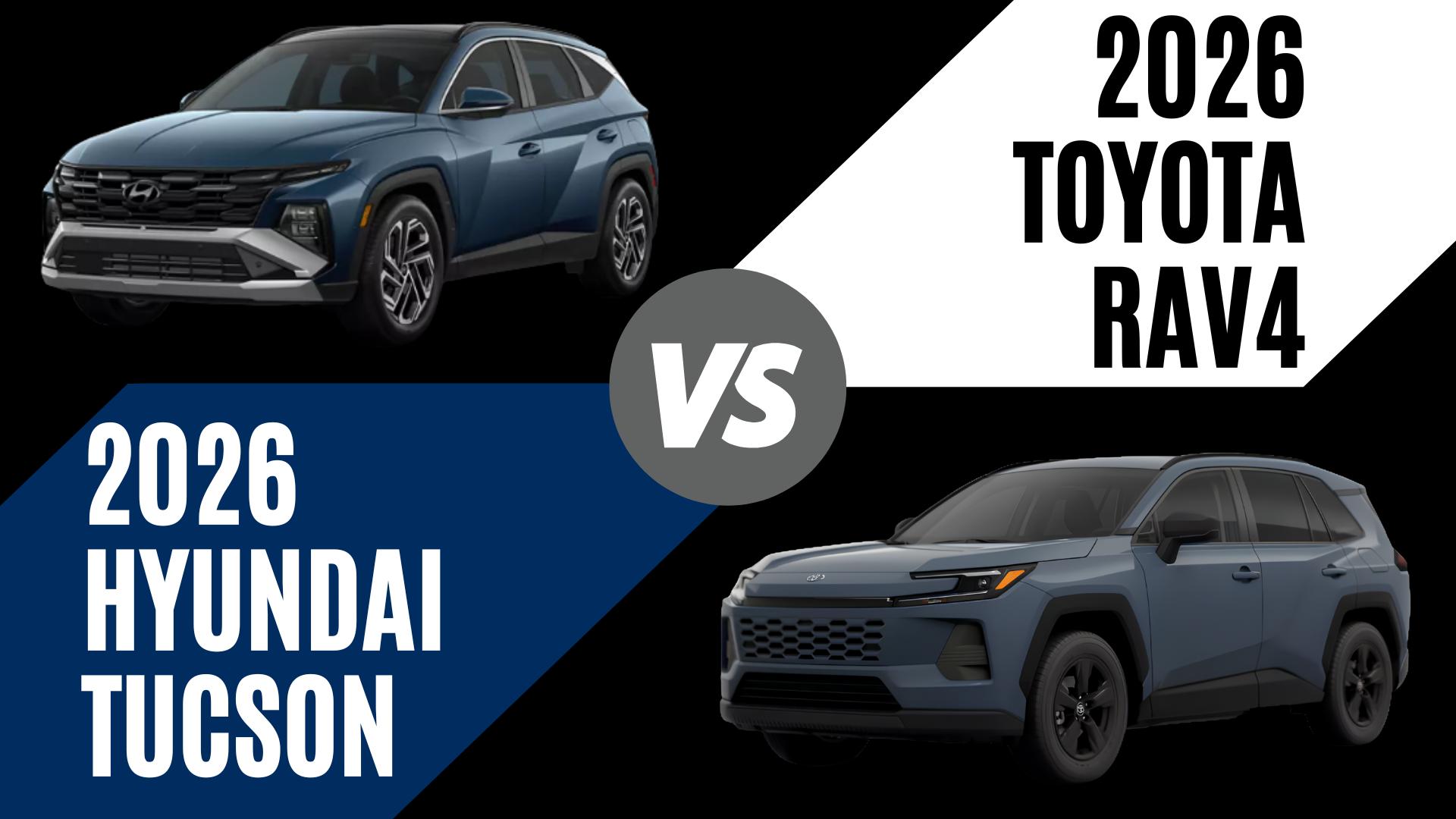
The 2026 Hyundai Tucson and 2026 Toyota RAV4 are two of the most recognizable names in the segment, but they approach the compact SUV formula differently. One of the biggest distinctions for 2026 is that the Tucson continues to offer a traditional gas-powered option, while the redesigned RAV4 moves to a hybrid-only lineup.
That difference alone may influence some shoppers, but fuel economy is only part of the story. Interior space, technology, comfort, safety features, and everyday usability all play a role when deciding which SUV belongs in your driveway.
Vehicle Comparison
2026 Hyundai Tucson
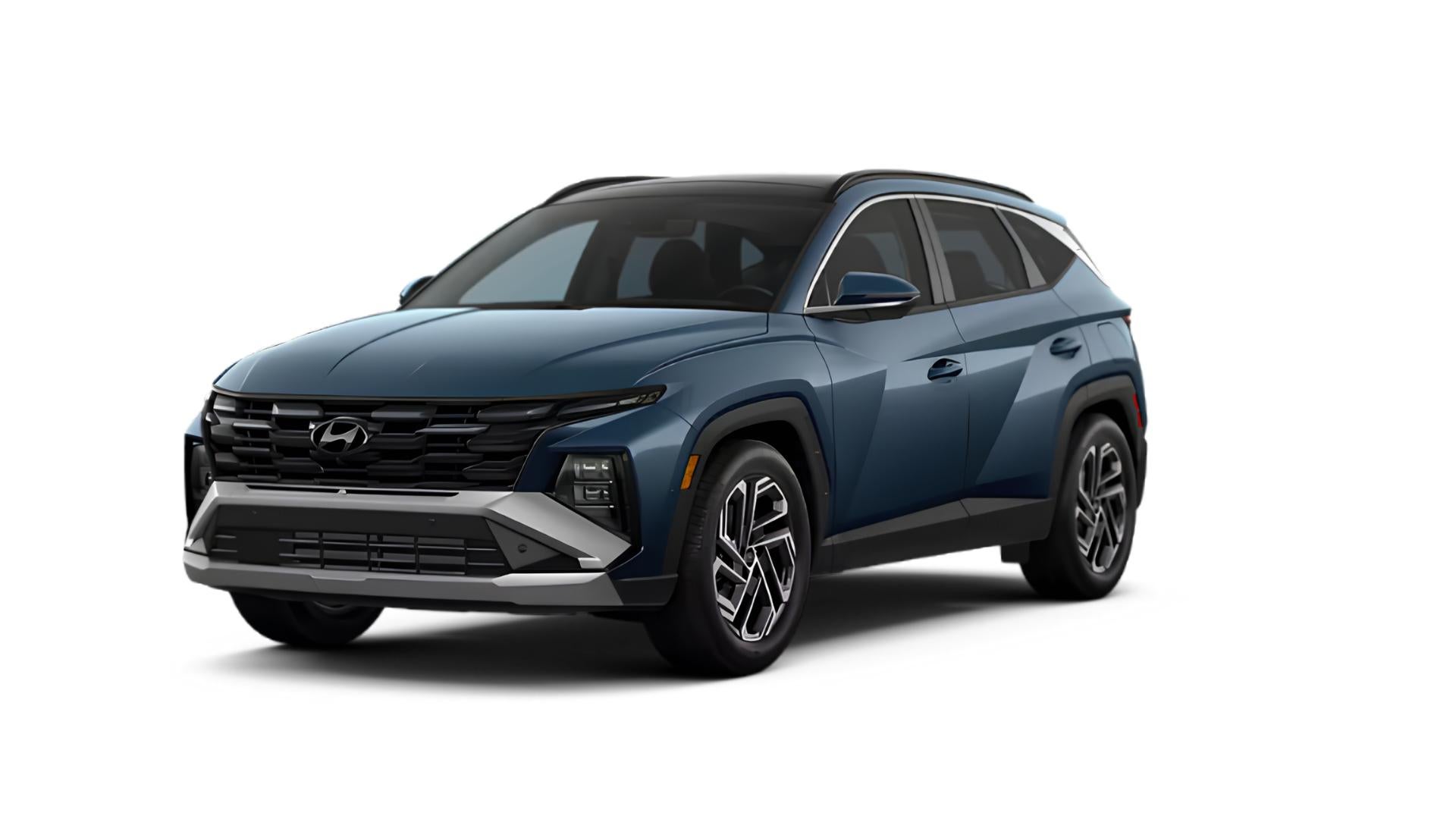
- Panoramic Curved Display
- Hyundai Digital Key
- Smart Cruise Control with Lane Centering
2026 Toyota RAV4
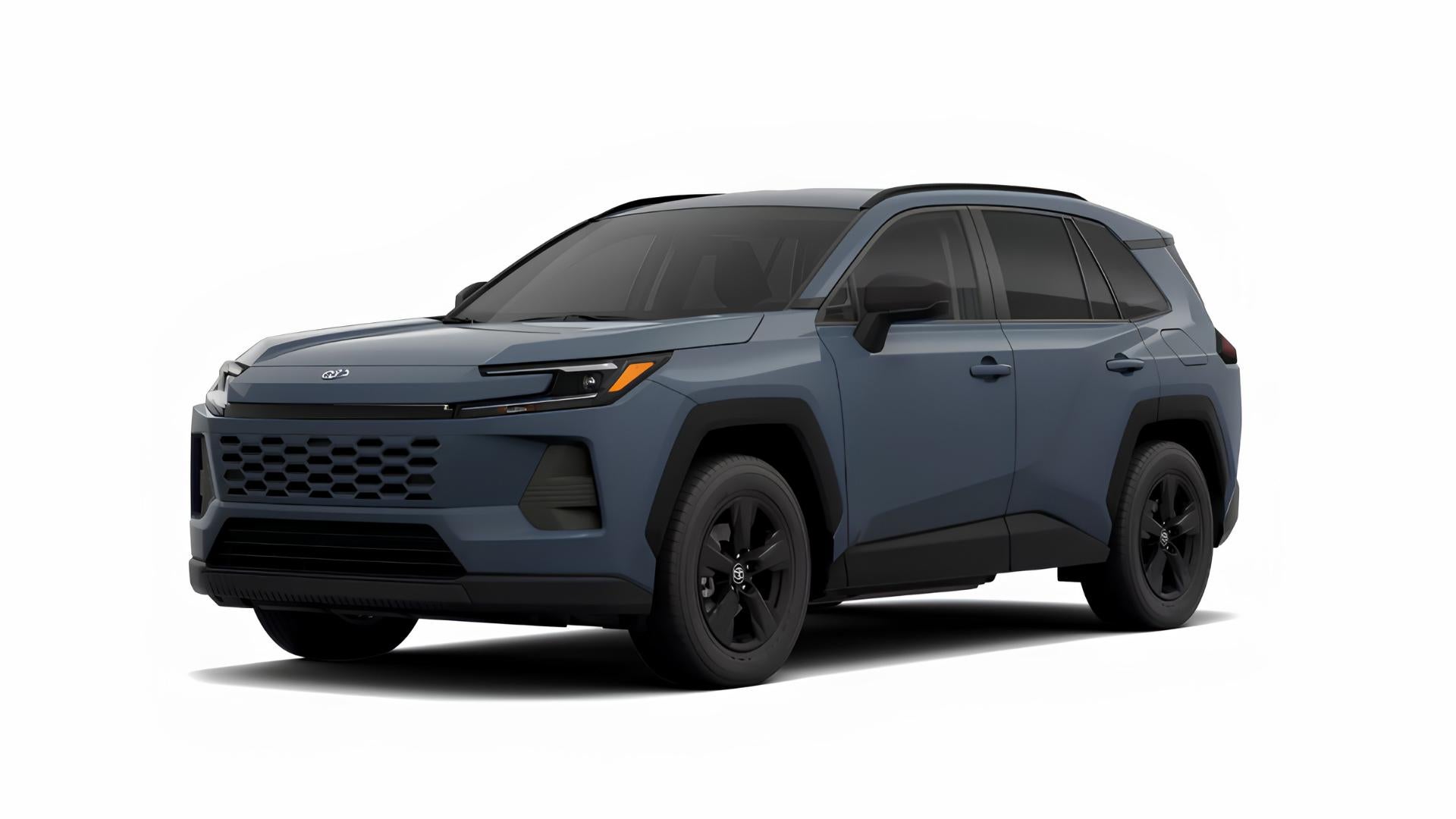
- Available 12.9-Inch Touchscreen
- Available 360-Degree Camera
- Standard Adaptive Cruise Control
Design and Styling: Modern Sophistication vs Rugged Utility
Hyundai and Toyota have taken noticeably different design approaches with these SUVs.
The Tucson leans into a sleek, modern appearance with sharp lines and a refined overall look. Inside, Hyundai continues its trend of upscale cabin design, giving the Tucson an interior that feels more premium than many shoppers expect in the compact SUV segment.
Toyota took the RAV4 in a different direction for 2026. The redesigned model embraces a more rugged aesthetic, with a blockier dashboard layout, adventure-oriented trims, and styling cues that emphasize capability and durability.
Drivers looking for a modern, upscale feel may gravitate toward the Tucson, while buyers who prefer a more rugged SUV personality may appreciate the RAV4’s redesign.
Design Highlights:
- Tucson: Modern styling and upscale presentation
- RAV4: Rugged design and adventure-focused character
- Both: Distinctive styling that stands out in the segment
Ride Quality and Performance
Performance is one of the more interesting differences in this comparison because these SUVs use very different powertrain strategies.
The Tucson uses a 187-horsepower 2.5-liter four-cylinder engine paired with an eight-speed automatic transmission. Front-wheel drive comes standard, while all-wheel drive is available. While acceleration isn’t designed to be sporty, the Tucson delivers a smooth, quiet, and refined driving experience that feels comfortable during everyday use.
Toyota takes a different route by making the RAV4 hybrid-only for 2026. Hybrid models produce between 226 and 236 horsepower depending on drivetrain configuration, giving the RAV4 a clear advantage in overall output. Acceleration feels responsive and smooth, although some drivers may notice additional engine noise during heavier acceleration.
For shoppers focused primarily on efficiency and stronger acceleration, the hybrid-only RAV4 has an advantage. Drivers who prioritize a quieter and more refined driving experience may find the Tucson more appealing.
Performance Snapshot:
- Tucson: Smooth ride and refined road manners
- RAV4: More horsepower and quicker acceleration
- Both: Available all-wheel drive
Interior Comfort and Everyday Practicality
Comfort and space are often deciding factors in the compact SUV segment, especially for growing families.
Hyundai continues to make the Tucson one of the more accommodating options in the class. The rear seat provides generous passenger room, while the cargo area offers more space than many competitors. The dashboard layout is clean and modern, and thoughtful storage solutions make daily use easier.
Many of the same qualities that make the Tucson appealing to families can also be found in the family-focused features that continue to make Hyundai SUVs popular with Northwest Arkansas drivers.
The redesigned RAV4 remains highly practical as well. Its spacious cabin comfortably accommodates adults in both rows, and the cargo area provides impressive storage flexibility. Toyota also incorporates numerous storage bins throughout the cabin to maximize utility.
Interior Takeaways:
- Tucson: Spacious rear seating and upscale feel
- RAV4: Practical cargo area and versatile storage
- Both: Comfortable seating for five passengers
Technology Features
Technology has become one of the most important factors for modern SUV shoppers, and both vehicles come well equipped.
A standard 12.3-inch infotainment display gives the Tucson a strong advantage right from the start. Available configurations combine digital gauges and infotainment into a panoramic curved display that stretches across much of the dashboard, creating a sophisticated appearance. Wireless Apple CarPlay and Android Auto are standard. Hyundai also offers Hyundai Digital Key technology that allows owners to access and operate certain vehicle functions through their smartphone.
Toyota equips the RAV4 with a standard 10.5-inch infotainment display and an available 12.9-inch touchscreen. Wireless smartphone integration is standard, and drivers can connect multiple devices while also benefiting from a standard 12.3-inch digital gauge cluster.
Technology Highlights:
- Tucson: Panoramic Curved Display and Hyundai Digital Key
- RAV4: Available 12.9-inch touchscreen and digital gauges
- Both: Wireless Apple CarPlay and Android Auto
Safety and Driver Assistance
Safety remains a priority for Hyundai and Toyota, and both SUVs offer extensive driver-assistance technologies.
The Tucson includes standard automated emergency braking with pedestrian detection, lane-departure warning, and lane-keeping assist. Available Smart Cruise Control with Lane Centering adds convenience during highway driving and longer trips.
Drivers can also explore advanced highway-driving technologies available on modern Hyundai models and Hyundai SmartSense safety technologies available across the lineup.
Toyota equips every RAV4 with standard adaptive cruise control, automated emergency braking, lane-departure warning, and lane-keeping assist. Additional technologies, including a 360-degree camera system, are available on select trims.
Safety Highlights:
- Tucson: Smart Cruise Control with Lane Centering
- RAV4: Standard Adaptive Cruise Control
- Both: Comprehensive driver-assistance technologies
Fuel Economy, AWD Availability, and Towing
This section highlights one of the biggest differences between these vehicles.
The gas-powered Tucson delivers up to an EPA-estimated 28 MPG combined in front-wheel-drive form. All-wheel-drive models are rated slightly lower while still offering respectable efficiency. Hyundai also offers a separate Tucson Hybrid for shoppers who want greater efficiency, but that model is not part of this comparison.
Hyundai’s approach gives buyers the flexibility to choose between a traditional gas-powered SUV or a hybrid model, while Toyota has transitioned the RAV4 lineup to hybrid-only powertrains for 2026.
The RAV4’s hybrid-only lineup delivers considerably stronger fuel economy. Depending on configuration, hybrid models achieve up to 43 MPG combined, making the Toyota one of the most efficient compact SUVs available.
Towing capability varies by configuration. The Tucson is rated to tow up to 2,000 pounds when properly equipped. Most RAV4 trims can tow up to 3,500 pounds, giving Toyota an advantage for drivers who regularly tow small trailers, boats, or recreational equipment.
Capability Highlights:
- Tucson: Available AWD and 2,000-pound towing capability
- RAV4: Up to 43 MPG combined and 3,500-pound towing capacity
- Both: Versatile capability for everyday SUV ownership
Ownership Value and Long-Term Confidence
Value extends beyond purchase price and fuel economy.
One area where Hyundai continues to stand out is long-term ownership confidence. America’s Best Warranty and what it means for long-term ownership confidence remains a significant advantage for many Hyundai shoppers.
Toyota maintains a strong reputation for reliability and ownership satisfaction, while the RAV4’s hybrid efficiency may help offset fuel costs over time.
Both SUVs offer compelling value, but they arrive there through different strengths. Toyota emphasizes efficiency, while Hyundai focuses on a balance of comfort, technology, practicality, and ownership protection.
Ownership Considerations:
- Tucson: Strong warranty coverage and technology value
- RAV4: Excellent fuel economy and hybrid efficiency
- Both: Strong long-term ownership appeal
Which Compact SUV Is Right for You?
The 2026 Hyundai Tucson and 2026 Toyota RAV4 are both excellent compact SUVs, but they appeal to slightly different buyers.
The RAV4 makes a strong case for itself with hybrid-only efficiency, higher horsepower, and stronger towing capability. Drivers who prioritize fuel economy above all else may find Toyota’s approach especially attractive.
The Tucson counters with a quieter and more refined driving experience, a more sophisticated technology package, generous passenger space, and features that make everyday ownership easier and more convenient.
For shoppers in Bentonville and throughout Northwest Arkansas who want a compact SUV that balances comfort, technology, practicality, and long-term ownership confidence, the 2026 Hyundai Tucson stands out as the more well-rounded choice.
FAQs
Is the 2026 Toyota RAV4 only available as a hybrid?
Yes. The redesigned 2026 Toyota RAV4 lineup is offered exclusively with hybrid and plug-in hybrid powertrains.
Does the 2026 Hyundai Tucson offer all-wheel drive?
Yes. The 2026 Hyundai Tucson is available with either front-wheel drive or all-wheel drive.
Which SUV has the better warranty?The Tucson offers longer warranty coverage, making it one of the strongest warranty packages available in the compact SUV segment.
Connect with us


Recent Blog Entries
- 2026 Hyundai Santa Cruz vs Ford Maverick in Bentonville, AR
- 2026 Hyundai Kona vs Honda HR-V in Bentonville, AR
- 2026 Hyundai Safety Awards: What Eight IIHS Honors Mean for Bentonville Drivers
- 2026 Hyundai Palisade vs 2027 Kia Telluride in Bentonville, AR
- 2026 Hyundai Tucson vs Toyota RAV4 in Bentonville, AR
Categories
Crain Hyundai of Bentonville

Address
3000 SE Moberly Ln
Bentonville, AR 72712
Phone
- Main 479-802-0943
- Main 479-802-0943
| Monday | 8:30AM - 8:00PM |
| Tuesday | 8:30AM - 8:00PM |
| Wednesday | 8:30AM - 8:00PM |
| Thursday | 8:30AM - 8:00PM |
| Friday | 8:30AM - 8:00PM |
| Saturday | 8:30AM - 8:00PM |
| Sunday | Closed |
| Monday | 7:00AM - 6:00PM |
| Tuesday | 7:00AM - 6:00PM |
| Wednesday | 7:00AM - 6:00PM |
| Thursday | 7:00AM - 6:00PM |
| Friday | 7:00AM - 6:00PM |
| Saturday | 7:00AM - 3:00PM |
| Sunday | Closed |
| Monday | 7:00AM - 6:00PM |
| Tuesday | 7:00AM - 6:00PM |
| Wednesday | 7:00AM - 6:00PM |
| Thursday | 7:00AM - 6:00PM |
| Friday | 7:00AM - 6:00PM |
| Saturday | 7:00AM - 3:00PM |
| Sunday | Closed |
