• Crain Hyundai of Bentonville

Blog / Bentonville Hyundai Dealer

Taking a Closer Look at the 2021 Hyundai Sonata Hybrid

blog3-Taking_a_Closer_Look_at_the_2021_Hyundai_Sonata_Hybrid_637553639162608893

Hybrid vehicles are the way of the future, and you can't get a more impressive vehicle in this class than the 2021 Hyundai Sonata Hybrid. This exciting new vehicle combines the latest hybrid technology with the reliability and affordability that Hyundai vehicles are known for. We've highlighted some of the new Sonata Hybrid's best features for your consideration in our preview below.

Taking a Closer Look at the 2021 Hyundai Sonata Hybrid

Future-Ready Style

The new Sonata Hybrid reimagines what sedans can be by taking design cues from sports coupe models. This creates a sleek and athletic build that helps you stand apart from the other vehicles out on your daily commute. You can take that style to the next level with the Sonata Hybrid N Line, which ups the ante on your style with a longer, lower, wider, and meaner appearance.

Thoughtful, Innovative Interior

When you sit in the driver's seat of the new Sonata Hybrid, you'll have all of its modern features within arm's length with the thoughtful and ergonomic design of the controls. The Bose Premium Audio sound system delivers all of your favorite music with clarity like you've never heard before. Meanwhile, soft-touch materials in the seating create a comfortable ride to give both you and your passengers the first-class treatment.

Hybrid Efficiency…

Hybrid vehicles give you a more eco-friendly means of transportation while also saving you money at the gas pump. Achieving up to 38 miles per gallon, the Sonata Hybrid helps you get further for every dollar you put into refueling your ride. With that sort of fuel economy, you'll be cruising towards your next destination while other drivers are still stuck at the gas station filling their tanks.

…With Impressive Performance

Clocking in an impressive 290 horsepower, the available N Line model is the most powerful Sonata ever. But even the standard engine the new Sonata Hybrid comes equipped with is enough to give you a thrill ride every time you fire up the ignition. The days of choosing between hybrid efficiency and having some fun in your drive are over; this offering from Hyundai delivers plenty on both fronts.

Affordable Car of Tomorrow

With all of the impressive technology and design that went into this vehicle, you may expect to pay top dollar to drive the new Sonata Hybrid off the lot. But Hyundai wanted to create a hybrid that is available to every driver and went to great lengths to ensure this vehicle is affordable. With a starting MSRP as low as just $23,950, driving the car of tomorrow might be more attainable than you would first think.

Ready to see more of what the Sonata Hybrid can offer you? Our team of Hyundai experts can give you the full information you need to decide if this is the right vehicle for you. We can also get you behind the wheel for a test drive to experience the hybrid performance for yourself. Come on down to Crain Hyundai of Bentonville to see this exciting vehicle up close!

Posted in:

Related Posts

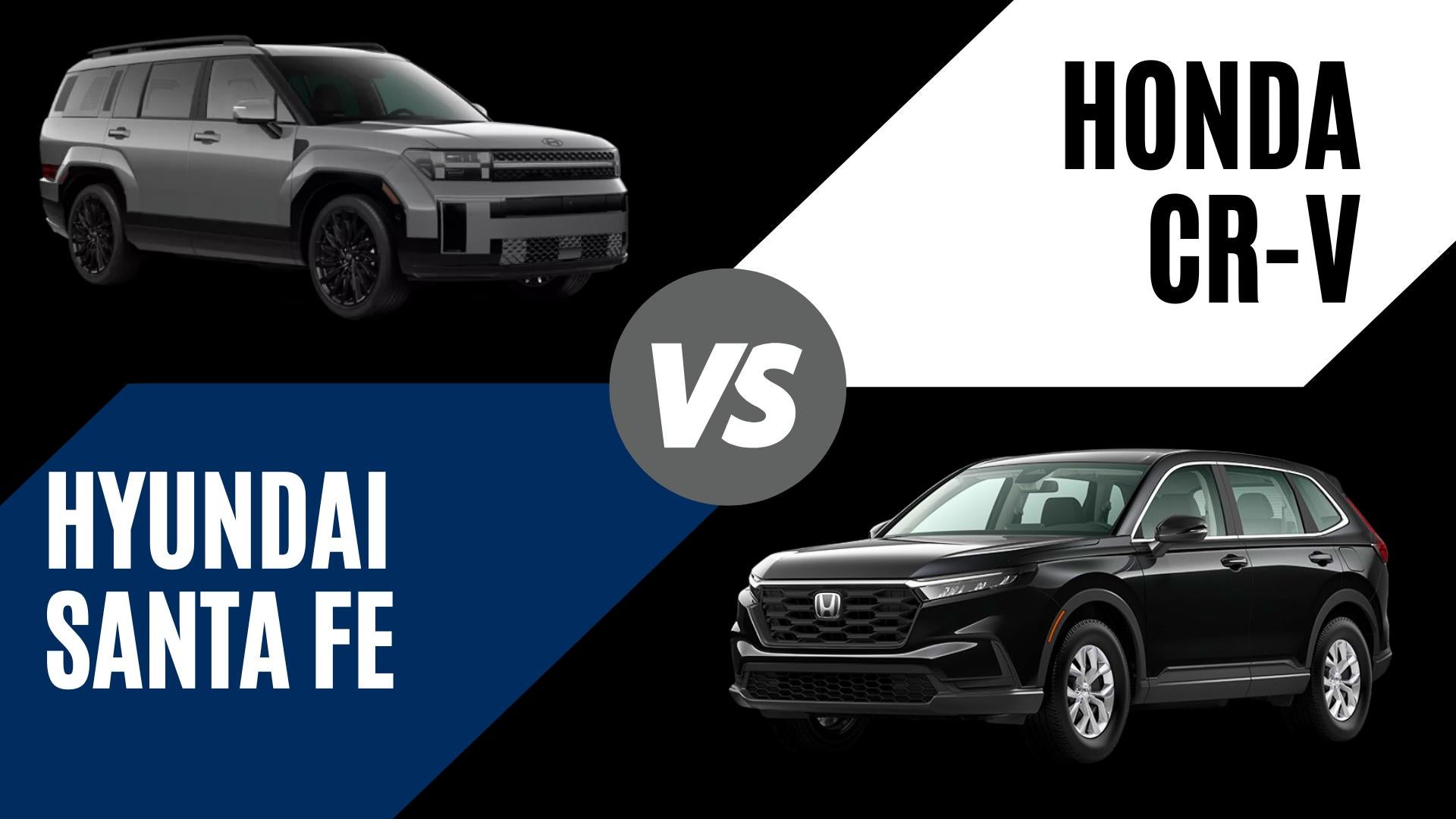
Side-by-side comparison of 2026 Hyundai Santa Fe and 2026 Honda CR-V SUVs for Bentonville, Arkansas drivers

2026 Hyundai Santa Fe vs 2026 Honda CR-V in Bentonville, AR

Comparing Compact Efficiency and Midsize Flexibility in Bentonville Choosing the right SUV in Bentonville often comes down to how much space and versatility you actually need. The 2026 Hyundai Santa Fe vs 2026 Honda CR-V in Bentonville, AR, is a comparison that highlights two very different approaches to everyday driving. Both models deliver comfort, modern technology, and practical usability. This comparison focuses strictly on gas-powered versions of each SUV, so hybrid specifications are not included. Shoppers visiting Crain Hyundai of Bentonville will notice that the key differences show up in passenger flexibility, power, and overall interior experience. Vehicle Comparison 2026 Hyundai Santa Fe Horsepower 277 AWD Availability Available Fuel Economy / Range 20/29 (FWD) mpg (city/hwy) Seating Capacity 6-7 Top Features Standard Third Row Dual 12.3-inch Displays 10-Year/100,000-Mile Powertrain Warranty Towing Capacity Up to 3,500 lbs Find Your Santa Fe Today 2026 Honda CR-V Horsepower 190 AWD Availability Standard Fuel Economy / Range 28/33 (FWD) mpg (city/hwy) Seating Capacity 5 Top Features 9-inch Touchscreen Standard Honda Sensing Safety Suite 9-inch infotainment touchscreen Towing Capacity Up to 1,500 lbs Search Our Used Inventory Bold Styling or Everyday Simplicity? Design sets expectations before you even step inside. Hyundai gives the Santa Fe a more commanding look with its boxy proportions, upright stance, and distinctive lighting. It feels more substantial on the road and leans toward a premium-inspired design direction. Honda takes a more traditional route with the CR-V. Smooth lines and balanced proportions create a clean, familiar appearance that prioritizes function over bold styling. Design Recap: • Santa Fe delivers bold midsize SUV styling • CR-V emphasizes clean, practical compact design • Hyundai leans more upscale in overall presentation Power and Daily Driving Feel Performance differences become clear once you get behind the wheel. Equipped with a 277-horsepower turbocharged engine, the Santa Fe provides strong acceleration and confident highway performance. The eight-speed automatic transmission shifts smoothly, making merging and passing feel effortless. Honda’s CR-V focuses more on efficiency. Its 190-horsepower turbocharged engine paired with a CVT delivers steady, predictable performance that works well for daily commuting, though it lacks the same power at higher speeds. Performance Recap: • Santa Fe: 277 hp with 8-speed automatic • CR-V: 190 hp with CVT • AWD available on both • Hyundai provides stronger acceleration Space, Seating, and Flexibility Interior layout is where these two SUVs truly separate. A standard third row gives the Santa Fe added versatility, with seating for six or seven passengers. That extra row can make a difference for growing families or those who occasionally need more seating. Folding both rear rows opens up substantial cargo space for trips or larger items. The CR-V sticks with a two-row design and seating for five. Within that setup, it offers impressive legroom and nearly 39 cubic feet of cargo space behind the second row. For many households, that balance of size and usability is more than enough. Space & Seating Recap: • Santa Fe includes a standard third row • CR-V offers two-row seating for five • CR-V has strong compact cargo space • Santa Fe delivers greater overall flexibility Technology That Feels Advanced or Straightforward Both SUVs bring modern tech, but the experience is different. Inside the Santa Fe, dual 12.3-inch displays create a wide, connected interface that combines the instrument cluster and infotainment system. The layout feels modern and immersive. Honda keeps things simple with a 9-inch touchscreen and an available digital cluster. The system is intuitive and easy to navigate without a learning curve. Technology Recap: • Santa Fe: Dual 12.3-inch displays • CR-V: Standard 9-inch touchscreen • Wireless smartphone integration on both • Hyundai offers a more immersive layout Safety and Driver Assistance Features Confidence on the road is built into both models. The Santa Fe includes features like forward-collision warning, automated emergency braking, adaptive cruise control, and lane-keeping assist through Hyundai SmartSense. Honda equips the CR-V with a similar suite of features, including adaptive cruise control, lane-keeping assist, and a driver-attention monitor. Safety Recap: • Strong driver-assistance features in both SUVs • CR-V includes driver-attention monitoring • Santa Fe offers additional available camera features Performance, AWD, and Fuel Economy This comparison reflects gas-powered models only. Producing 277 horsepower, the Santa Fe pairs strong output with available all-wheel drive. Fuel economy reaches approximately 20 mpg city and 29 mpg highway with front-wheel drive. Seating capacity ranges from six to seven passengers. Generating 190 horsepower, the CR-V focuses on efficiency. It also offers available AWD and achieves approximately 28 mpg city and 33 mpg highway. Seating capacity is limited to five passengers. Power & Efficiency Recap: • Santa Fe delivers more horsepower • CR-V achieves higher fuel economy • AWD available on both • Hyundai offers greater seating capacity Ownership Value and Long-Term Coverage Warranty coverage can make a significant difference over time. Hyundai backs the Santa Fe with a 10-year/100,000-mile powertrain warranty along with a 5-year/60,000-mile limited warranty and complimentary maintenance coverage. Honda provides a shorter powertrain warranty and limited warranty, along with a shorter complimentary maintenance period. Ownership Recap: • Longer powertrain coverage with Santa Fe • More maintenance coverage from Hyundai • CR-V maintains strong long-term reliability Final Thoughts: Which SUV Fits Bentonville Drivers Best? Different needs will lead buyers in different directions. The CR-V remains a strong option for drivers who want efficiency, simplicity, and compact practicality. For those comparing the 2026 Hyundai Santa Fe vs 2026 Honda CR-V in Bentonville, AR, the Santa Fe stands out with its added seating flexibility, stronger performance, bold styling, and extended warranty coverage. FAQs Which SUV is better if I need extra seating for family or carpooling? The Santa Fe is the better fit since it includes a third row and can seat up to seven passengers. The CR-V is limited to two rows and seats five. Does the CR-V have any advantages over the Santa Fe? Yes. The CR-V offers higher fuel efficiency and a more compact size, which can make it easier to maneuver and park in tighter areas. How do these SUVs compare for daily driving in Bentonville? Both handle everyday driving well, but they feel different. The Santa Fe offers more power and a smoother highway experience, while the CR-V focuses on efficiency and consistent performance in city driving.

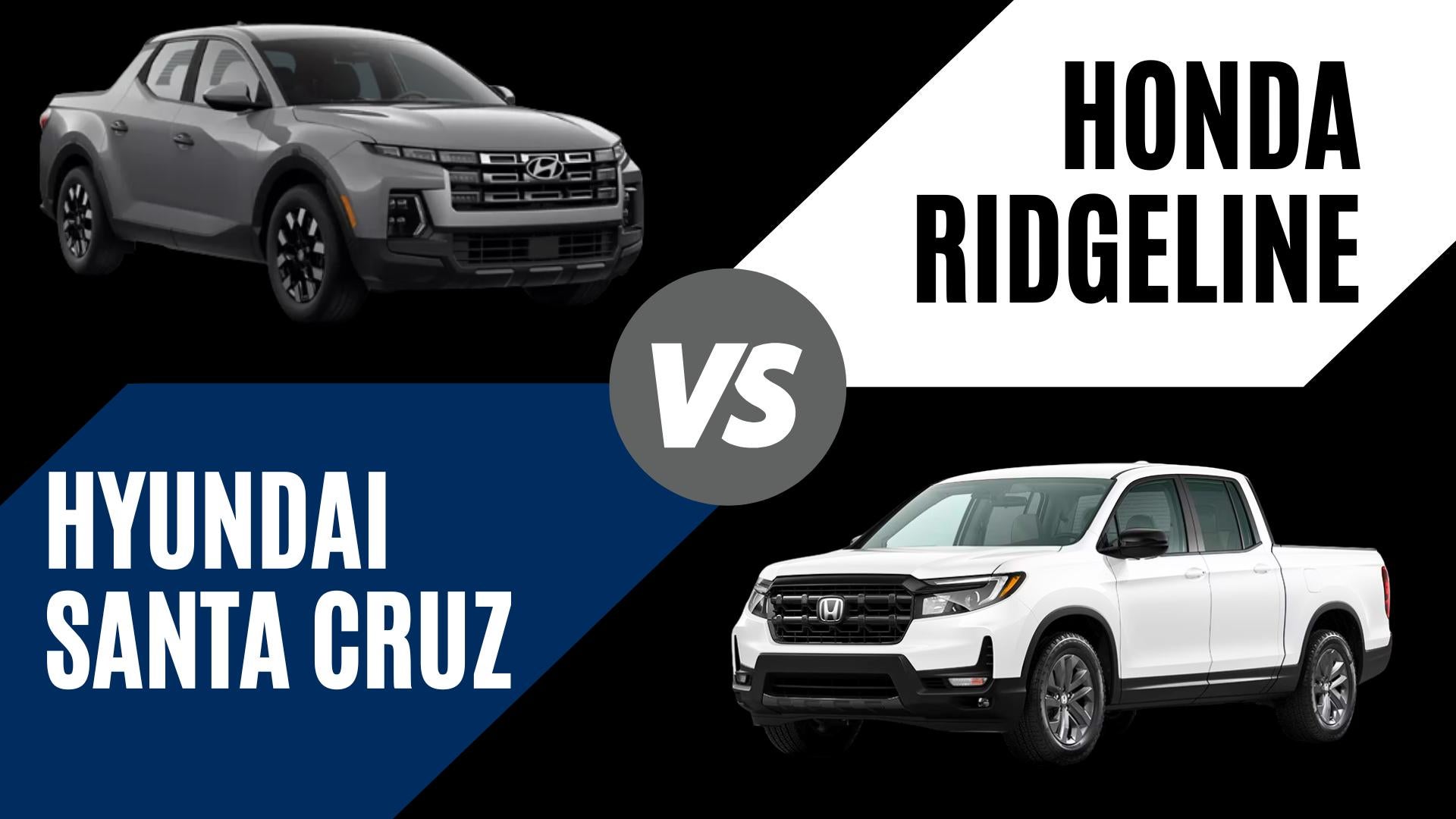
2026 Hyundai Santa Cruz and 2026 Honda Ridgeline parked side by side in Bentonville, AR for a truck matchup

2026 Hyundai Santa Cruz vs 2026 Honda Ridgeline in Bentonville, AR

Santa Cruz or Ridgeline: Which Truck Makes More Sense in Bentonville? If you're deciding between the 2026 Hyundai Santa Cruz vs the 2026 Honda Ridgeline in Bentonville, AR, you're likely looking for a truck that delivers real capability without oversized bulk or rough ride quality. Many Northwest Arkansas drivers want something comfortable enough for commuting, versatile enough for weekend projects, and efficient enough for everyday life. At Crain Hyundai of Bentonville, many drivers find themselves choosing between these two trucks because both deliver everyday comfort with real pickup capability. The differences come down to powertrain options, technology, interior refinement, efficiency, and long-term value—all areas where the Santa Cruz often pulls ahead. What Bentonville Drivers Should Know Both prioritize comfort over traditional truck harshness Santa Cruz is more compact and maneuverable Ridgeline offers a longer bed and standard AWD Vehicle Comparison 2026 Hyundai Santa Cruz Horsepower 191 (base)/281 (turbo) AWD Availability Available Fuel Economy / Range 22/30 (base FWD), 19/27 (turbo AWD) mpg (city/hwy) Seating Capacity 5 Top Features Turbocharged AWD powertrain 4.3-foot bed with underfloor storage 12.3-inch infotainment display Towing Capacity Up to 5,000 lbs Bed Length 4.3 ft Find Your Santa Cruz Today 2026 Honda Ridgeline Horsepower 280 AWD Availability Standard Fuel Economy / Range 18/24, 18/23 mpg (TrailSport) mpg (city/hwy) Seating Capacity 5 Top Features Standard AWD V6 powertrain 5.3-foot bed with in-bed trunk 9-inch infotainment touchscreen Towing Capacity 5,000 lbs Bed Length 5.3 ft Search Our Used Inventory Bold Compact Energy vs Midsize Confidence The 2026 Hyundai Santa Cruz stands out immediately with modern styling and a compact footprint. Its 4.3-foot integrated bed and athletic proportions make it easy to navigate tight parking areas around Bentonville while still offering real cargo versatility. The 2026 Honda Ridgeline leans into a more traditional midsize presence. With its 5.3-foot bed and familiar pickup profile, it feels closer to a conventional truck, though it still rides smoother than body-on-frame competitors. Design Snapshot Santa Cruz: Smaller and city-friendly Ridgeline: Longer 5.3-foot bed Santa Cruz: Sportier overall appearance Turbo Flexibility vs V6 Simplicity Performance is where these two trucks take different approaches. The Santa Cruz gives buyers options: a 191-horsepower 2.5L four-cylinder for efficiency or a 281-horsepower turbocharged 2.5L four-cylinder for stronger acceleration. For 2026, turbo trims now use a refined 8-speed automatic transmission, improving low-speed smoothness and daily drivability. Turbo models come standard with AWD and reach 60 mph in about 6.0 seconds. The Ridgeline simplifies the formula with a 280-horsepower 3.5L V6 paired to a 9-speed automatic and standard AWD on every trim. It also runs to 60 mph in about 6.0 seconds and delivers consistent, linear power delivery. If you value engine choice and available turbo punch, the Santa Cruz provides more flexibility. For a deeper dive into its towing strength and drivetrain setup, explore our 2025 Hyundai Santa Cruz: Reliability, Towing Power, and 4WD Performance guide. Performance Breakdown Santa Cruz: Two engine options (191 hp or 281 hp) Ridgeline: 280-hp V6 with standard AWD Turbo Santa Cruz slightly edges peak horsepower Modern Cabin Design vs Proven Practical Layout Inside, the Santa Cruz feels modern and digital-forward. Higher trims feature dual 12.3-inch displays, including a fully digital gauge cluster. The cabin mirrors Hyundai’s SUV lineup with upscale materials and a tech-focused layout. The Ridgeline emphasizes usable space and functionality. It offers one of the roomiest rear seats in the midsize pickup segment. Its 7.3-cubic-foot in-bed trunk and dual-action tailgate make loading and organizing cargo simple. Both trucks seat five comfortably. Interior Highlights Both offer five-passenger seating Ridgeline delivers more rear-seat room Santa Cruz feels more modern and upscale Bigger Screens or Straightforward Controls? Technology plays out differently in each truck. The Santa Cruz includes a 12.3-inch infotainment touchscreen with wireless Apple CarPlay and Android Auto as standard. Upper trims add a digital gauge cluster and available Bose premium audio. The Ridgeline includes a 9-inch touchscreen with wireless Apple CarPlay and Android Auto across all trims. Wireless charging is standard, and navigation is available on higher trims. Drivers who prioritize screen size and digital presentation may prefer the Santa Cruz. Those who prefer a simpler, familiar interface may lean toward the Ridgeline. Technology Overview Santa Cruz: 12.3-inch standard touchscreen Ridgeline: 9-inch touchscreen Both include wireless smartphone connectivity Everyday Confidence on Bentonville Roads Both trucks include advanced driver-assist technology designed for real-world safety. The Santa Cruz includes lane-keeping assist, blind-spot monitoring, automatic emergency braking, and driver-attention warning as standard. Adaptive cruise control and highway driving assist are available on upper trims. The Ridgeline includes adaptive cruise control, automatic emergency braking, blind-spot monitoring, lane-keeping assist, and traffic sign recognition as standard equipment. Parking sensors appear on select trims. To see how these systems work in real-world driving, read Enhance Your Drive: Discover the Benefits of Hyundai SmartSense. Safety Snapshot Both include automatic emergency braking Ridgeline includes adaptive cruise standard Santa Cruz expands advanced systems on higher trims Power, AWD & Fuel Efficiency (Gas Models Only) Both trucks focus exclusively on gas-powered performance. The Santa Cruz gives drivers a choice: efficient 191-hp commuting power or a 281-hp turbo engine with standard AWD. Turbo AWD models tow up to 5,000 pounds. The Ridgeline uses a single 280-hp V6 with standard AWD and also tows up to 5,000 pounds. Hyundai Santa Cruz 191 hp (base) / 281 hp (turbo) AWD available; standard on turbo trims 22/30 mpg (base FWD) 19/27 mpg (turbo AWD) Up to 5,000 lbs towing Honda Ridgeline 280 hp AWD standard 18/24 mpg (most trims) 18/23 mpg (TrailSport) 5,000 lbs towing Capability & Efficiency Highlights Santa Cruz delivers stronger highway MPG Both tow up to 5,000 pounds Ridgeline simplifies with standard AWD Long-Term Confidence: Warranty Matters Warranty coverage is one of the Santa Cruz’s biggest advantages. Hyundai provides a 5-year/60,000-mile limited warranty and a 10-year/100,000-mile powertrain warranty, plus 3 years/36,000 miles of complimentary maintenance. The Ridgeline includes a 3-year/36,000-mile limited warranty and a 5-year/60,000-mile powertrain warranty, along with 2 years/24,000 miles of complimentary maintenance. You can learn more about that coverage in America’s Best Warranty: Comprehensive Protection at Crain Hyundai of Bentonville. Ownership Advantage Santa Cruz: 10-year/100,000-mile powertrain coverage Longer complimentary maintenance Ridgeline warranty is shorter The Bottom Line for Bentonville Drivers Both trucks deliver smooth ride quality and 5,000-pound towing capability. The Ridgeline shines in rear-seat space and midsize practicality. However, for most buyers weighing the 2026 Hyundai Santa Cruz vs 2026 Honda Ridgeline in Bentonville, AR, the Santa Cruz offers the stronger overall value. It delivers better highway fuel economy, available turbocharged performance, more modern displays, and significantly longer warranty coverage, all in a compact, easier-to-maneuver package. Planning a weekend getaway? Check out 6 Favorite Camping Destinations Near Bentonville, AR to see why a compact AWD truck fits Northwest Arkansas living. FAQs Which truck is more fuel efficient in Bentonville, AR? The 2026 Hyundai Santa Cruz offers higher highway MPG ratings, reaching up to 30 mpg with the base engine, compared to the Honda Ridgeline’s 24 mpg highway rating on most trims. Do both trucks tow 5,000 pounds? Yes. When properly equipped, both the Santa Cruz (with the turbo AWD setup) and the Ridgeline can tow up to 5,000 pounds. Which truck offers better warranty coverage? The Santa Cruz provides a 10-year/100,000-mile powertrain warranty, which exceeds the Ridgeline’s 5-year/60,000-mile powertrain coverage.


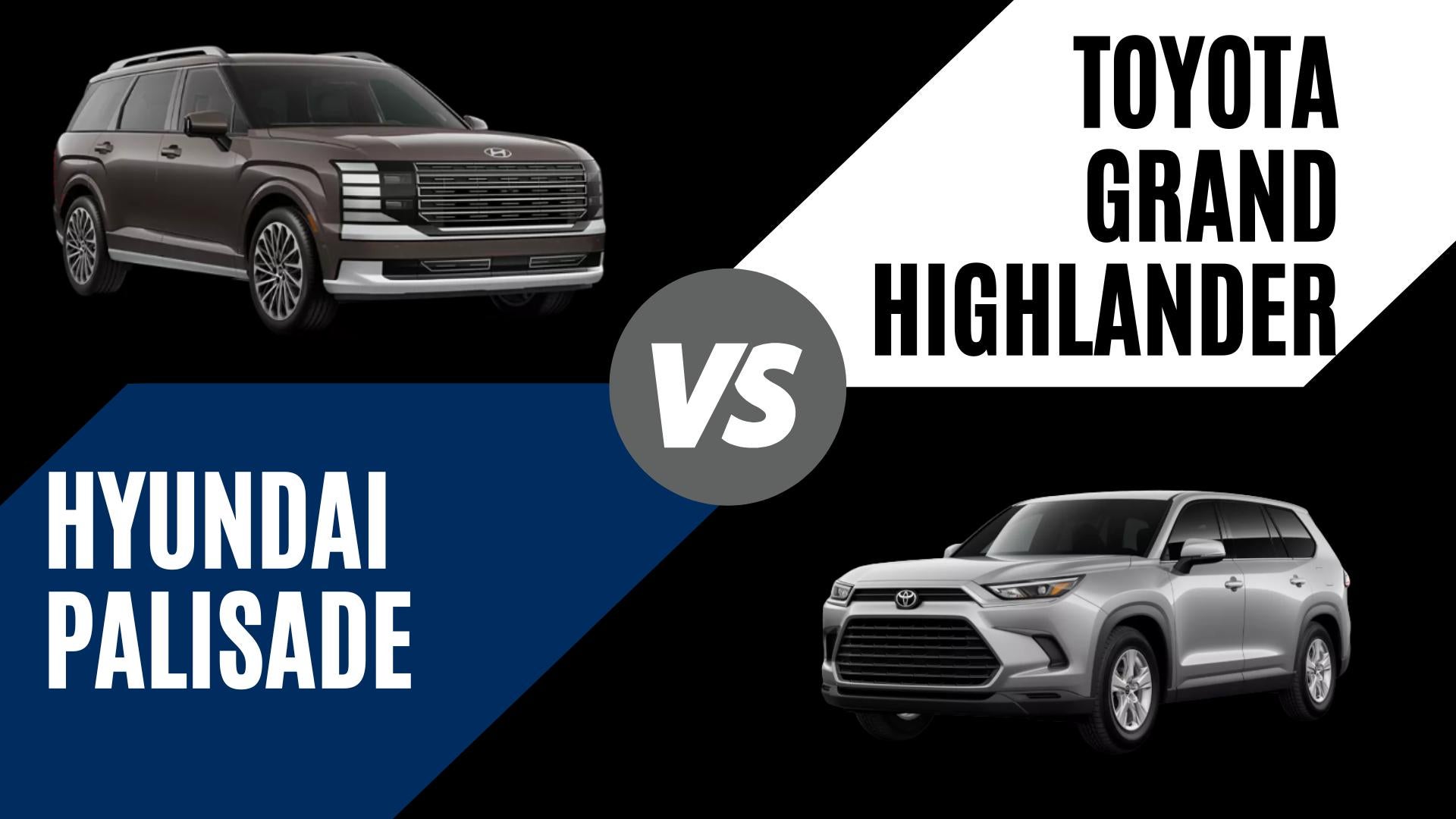
2026 Hyundai Palisade and Toyota Grand Highlander comparison for Bentonville, Arkansas drivers shopping three-row SUVs

2026 Hyundai Palisade vs 2026 Toyota Grand Highlander in Bentonville, AR

Comparing Two Leading Three-Row SUVs in Bentonville Three-row SUVs continue to dominate family driveways around Bentonville, and for good reason. They balance passenger space, cargo flexibility, and everyday usability. That’s exactly why the 2026 Hyundai Palisade vs 2026 Toyota Grand Highlander in Bentonville, AR, is such a frequent comparison. Each SUV offers seating for up to eight, available all-wheel drive, and a full suite of driver-assistance features. This breakdown focuses strictly on gas-powered models to keep things consistent and easy to evaluate. For shoppers exploring options at Crain Hyundai of Bentonville, the real differences show up in refinement, interior quality, and long-term ownership value. Vehicle Comparison 2026 Hyundai Palisade Horsepower 287 AWD Availability Available Fuel Economy / Range Up to 21 combined mpg (city/hwy) Seating Capacity 8 Top Features Dual 12.3-inch curved display Advanced driver assistance systems 10-year/100,000-mile powertrain warranty Towing Capacity 5,000 lbs Find Your Palisade Today 2026 Toyota Grand Highlander Horsepower 265 AWD Availability Available Fuel Economy / Range Up to 24 combined mpg (city/hwy) Seating Capacity 8 Top Features 12.3-inch touchscreen display Toyota Safety Sense 3.0 2 years complimentary maintenance Towing Capacity 5,000 lbs Search Our Used Inventory A More Premium Look or a Subtle Approach? Visual presence plays a bigger role than most buyers expect, especially in a segment filled with similarly sized SUVs. Hyundai took a bold step with the redesigned Palisade. Strong lines, a wider stance, and distinctive lighting give it a more upscale, almost luxury-inspired appearance. Trims like the Calligraphy push that even further, while the XRT Pro introduces rugged design elements. Toyota keeps things more understated. The Grand Highlander leans into clean, practical styling that doesn’t try to stand out. Something many families actually prefer for daily use. Design Differences to Notice: Palisade leans upscale with a bold redesign Grand Highlander keeps a clean, conservative look XRT Pro adds rugged styling to Palisade Toyota prioritizes everyday practicality Smooth Driving Comes Standard Comfort is the priority here, not speed, and both SUVs deliver in slightly different ways. Under acceleration, the Palisade’s 287-horsepower V6 feels smooth and confident. It handles merging and passing without strain, while the suspension keeps the cabin quiet and composed over rougher Arkansas roads. In comparison, the Grand Highlander relies on a 265-horsepower turbocharged four-cylinder. It performs well in daily driving, offering steady power delivery and predictable handling, though it doesn’t feel quite as refined under load. Driving Character Comparison: Palisade feels more refined and quiet Grand Highlander focuses on consistency and ease Neither is built for performance driving Both are comfortable for daily commuting Space for Families, Comfort for Everyone Interior quality and usability often make the biggest difference over time. Step inside the Palisade and the premium feel is immediately noticeable. Materials, layout, and available features, like ventilated seats and power-folding third-row seating, create a near-luxury experience. Cargo space expands to 86.7 cubic feet when needed. The Grand Highlander shifts the focus toward maximum usable space. With up to 97.5 cubic feet of cargo capacity and slightly more room behind the third row, it’s built for families who regularly carry gear, luggage, or sports equipment. Space and Comfort Highlights: Seating for up to eight in both SUVs Grand Highlander offers more total cargo space Palisade delivers a more upscale cabin Both provide comfortable third-row seating Tech That Feels Modern vs Tech That Feels Simple Technology is strong in both models, but the presentation differs. Front and center in the Palisade is a dual 12.3-inch curved display setup. It blends the instrument cluster and infotainment system into one seamless design, giving the cabin a modern, high-end feel. Toyota takes a more straightforward route. A 12.3-inch touchscreen handles infotainment duties, with an available digital cluster on higher trims. It’s intuitive and easy to use, even if it’s less visually dramatic. Technology Comparison Points: Palisade features dual curved displays Grand Highlander uses a single touchscreen layout Wireless Apple CarPlay and Android Auto in both Premium audio options available on both Built-In Safety for Everyday Driving Safety remains a core strength for both SUVs, especially for family-focused buyers. Hyundai SmartSense equips the Palisade with features like adaptive cruise control, lane-keeping assist, and available highway driving assist that adds lane-centering support during longer trips. Toyota Safety Sense 3.0 comes standard across the Grand Highlander lineup. It includes similar core features, along with standard blind-spot monitoring. Safety System Differences: Both include adaptive cruise and lane assistance Toyota includes blind-spot monitoring standard Palisade offers advanced highway driving assist Strong safety coverage in both models Performance, AWD, and Fuel Economy This comparison reflects gas-powered models only. Powering the Palisade is a 287-horsepower V6 paired with an eight-speed automatic transmission. Front-wheel drive comes standard, while all-wheel drive is available. Fuel economy reaches up to 21 mpg combined (FWD). The Grand Highlander uses a 265-horsepower turbocharged four-cylinder, also paired with an eight-speed automatic. AWD is available, and fuel economy reaches up to 24 mpg combined (FWD). Both SUVs are capable of towing up to 5,000 pounds when properly equipped. Learn more about the Palisade’s towing power. Performance Snapshot: Palisade produces more horsepower (287 hp) Grand Highlander delivers better fuel economy AWD is available on both Equal towing capability at 5,000 lbs Long-Term Value and Ownership Confidence Beyond the purchase, the ownership experience becomes increasingly important. Hyundai stands out with one of the longest warranties in the segment. The Palisade includes a 10-year/100,000-mile powertrain warranty, giving added peace of mind for long-term ownership. Toyota offers shorter warranty coverage but includes two years of complimentary maintenance, which may appeal to some buyers upfront. Ownership Considerations: Palisade provides longer warranty coverage Grand Highlander includes free maintenance Both offer strong overall value Final Thoughts: Which SUV Fits Bentonville Drivers Best? Choosing between these two ultimately comes down to priorities. If maximum cargo space and slightly better fuel efficiency are at the top of your list, the Grand Highlander makes a strong case. However, for drivers comparing the 2026 Hyundai Palisade vs 2026 Toyota Grand Highlander in Bentonville, AR, the Palisade stands out where it matters most: interior quality, ride refinement, technology presentation, and long-term warranty coverage. FAQs Do the Palisade and Grand Highlander both come with all-wheel drive Yes, each SUV offers available AWD. Some trims make it standard, but most buyers can choose between front-wheel and all-wheel drive depending on their needs. Which SUV is better for carrying cargo and gear? The Grand Highlander has the edge in total cargo capacity, making it a strong choice for families who regularly haul larger loads. The Palisade still offers plenty of space but leans more toward comfort and interior quality. How does engine performance compare between the two? The Palisade uses a V6 engine producing 287 horsepower, giving it stronger acceleration. The Grand Highlander’s 265-horsepower turbocharged engine is efficient and capable, but not as powerful.